Darkwood and the Long-Term Breakdown of Survival Horror Through Player Knowledge
Introduction
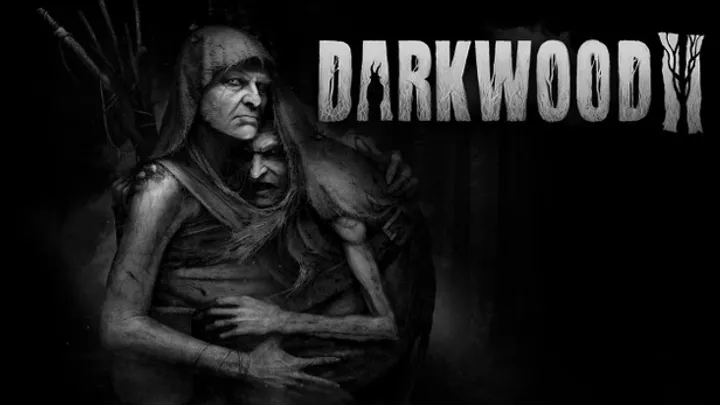
Darkwood is often remembered as one of the most oppressive survival horror games of the last decade. Its top-down perspective, hostile sound design, and refusal to guide the player created a uniquely suffocating experience. Early playthroughs are defined by paranoia, scarcity, and the constant fear of the unknown. Every night feels lethal, every decision irreversible.
Yet as the game aged and its community grew, a specific issue emerged in retrospective analysis and player discussion: Darkwood’s horror intensity collapses dramatically once systemic knowledge replaces uncertainty. This article focuses on that issue—not as a flaw of execution, but as a revealing case study in how information, mastery, and memory can dismantle even the most carefully constructed survival horror systems.
1. Horror Built Entirely on Uncertainty
Darkwood’s opening hours are brutally effective because the player understands almost nothing. The forest is hostile, maps are confusing, and even basic mechanics feel unreliable.
Enemies behave unpredictably. Sounds mislead. The game punishes curiosity as often as it rewards it. This ignorance is not accidental—it is the foundation of Darkwood’s horror.
However, horror built entirely on uncertainty has a built-in expiration date.
2. Knowledge Replaces Fear Faster Than Resources
Learning Is More Powerful Than Equipment
In Darkwood, learning enemy behavior is more valuable than upgrading weapons. Once players understand how creatures move, attack, and retreat, encounters shift from terrifying to manageable.
Enemies stop being monsters and become puzzles.
Fear Cannot Compete With Familiarity
Repeated exposure erodes dread. Even grotesque designs lose power when outcomes are predictable.
3. The Safe House Illusion Breaks Too Cleanly
Early Nights Are Psychological Torture
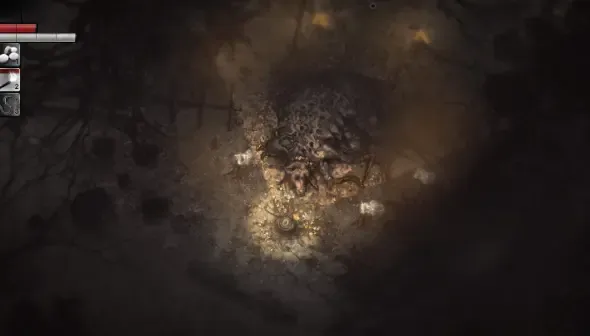
The first nights spent barricaded inside a hideout are unforgettable. Sounds scrape the walls, lights flicker, and unseen threats feel omnipresent.
Later Nights Become Checklists
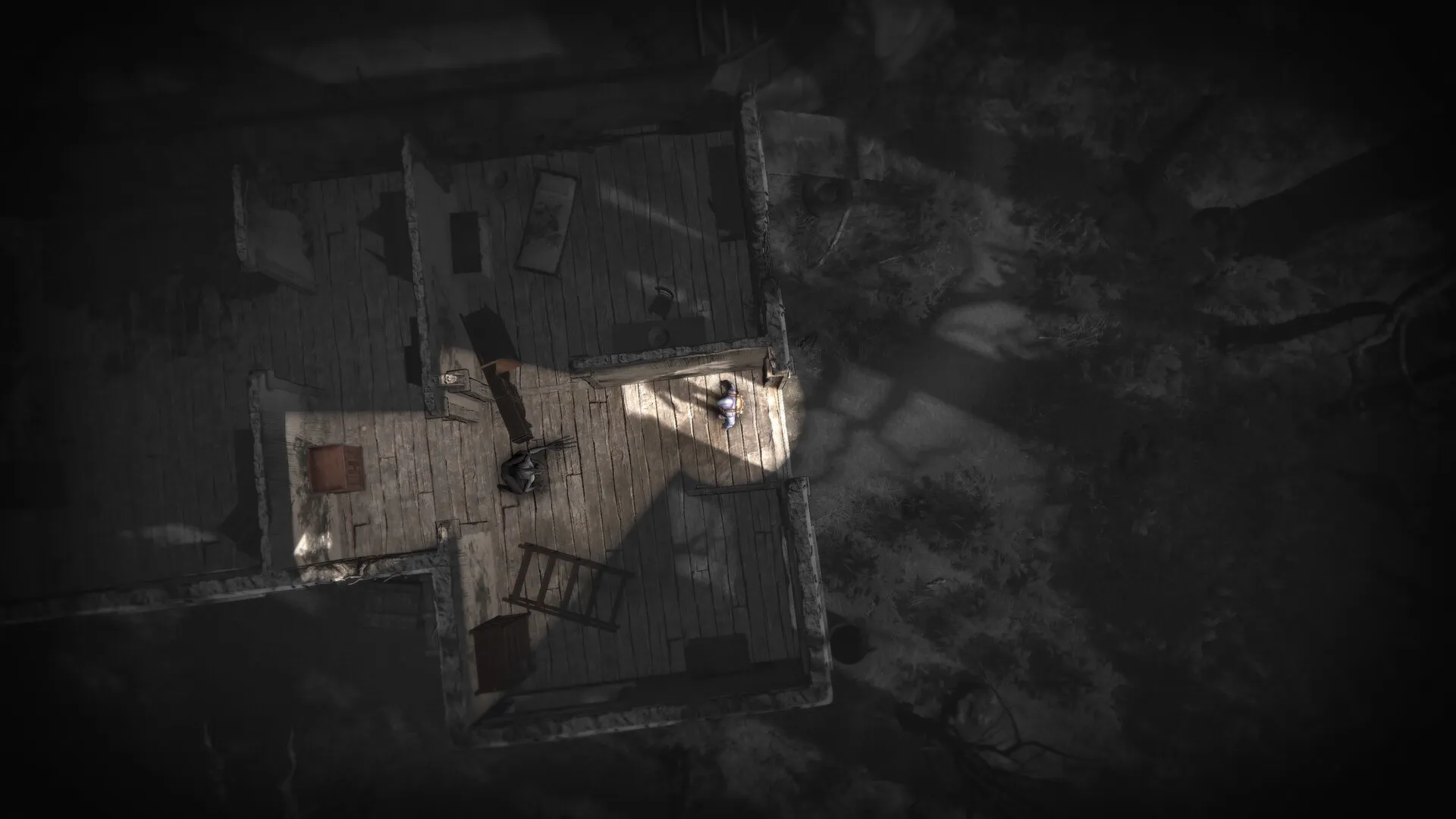
Once players learn optimal furniture placement, light management, and event triggers, nights lose emotional volatility. Survival becomes procedural.
The safe house shifts from a fragile refuge into a solved system.
4. Resource Scarcity Is Finite by Design
Early Starvation vs Late Stockpiling
Darkwood’s economy is unforgiving at first. Ammunition, healing items, and fuel feel impossibly rare.
Later, efficient routing and trading reduce scarcity significantly. While resources never become infinite, anxiety around them fades.
When Scarcity Stops Hurting
Once players stop fearing running out, the game’s tension floor drops permanently.
5. Audio Horror Loses Impact With Context
Sound as a Weapon
Darkwood’s sound design is among its greatest achievements. Audio cues mislead, threaten, and destabilize the player.
Context Neutralizes Terror
Once players learn what sounds actually mean—and which ones are harmless—audio shifts from fear trigger to information tool.
The unknown becomes a signal, not a threat.
6. Enemy Design Suffers From Overexposure
Limited Enemy Pool
Darkwood relies on a relatively small set of enemy types. Their effectiveness depends on unfamiliarity.
Repeated encounters reduce emotional impact, even when difficulty remains.
Intimidation vs Execution
Enemies remain dangerous mechanically, but no longer psychologically overwhelming.
7. Narrative Ambiguity Cannot Carry Replays
Mystery Is a One-Time Resource
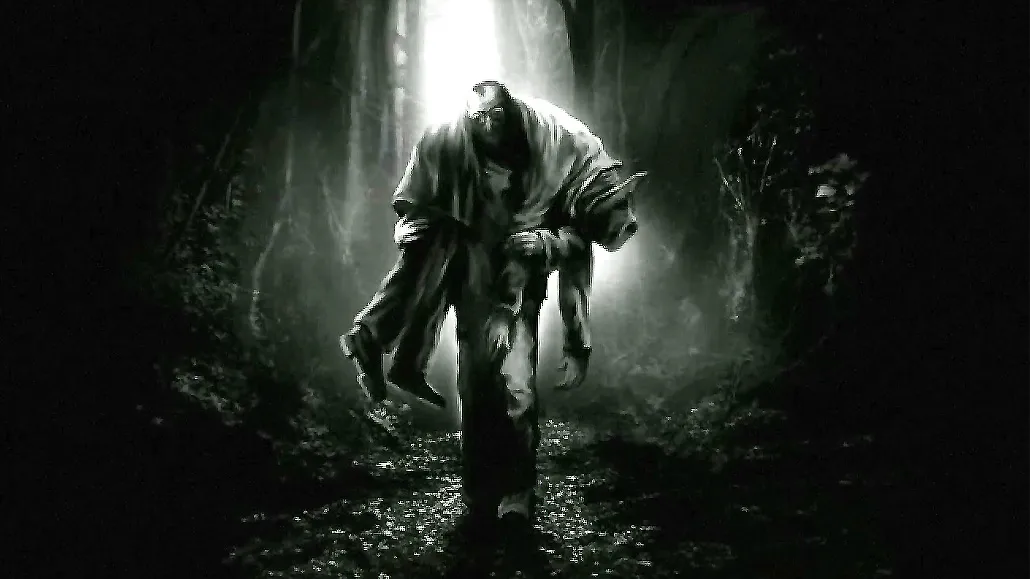
Darkwood’s story is fragmented, symbolic, and disturbing. Its ambiguity enhances the first experience.
On repeat playthroughs, narrative dread weakens because meaning replaces speculation.
Interpretation Ends Fear
Once players understand themes and outcomes, narrative anxiety fades.
8. Community Knowledge Accelerates Horror Decay
Guides Destroy Fragility
Even minimal external knowledge—map routes, event explanations, survival tips—dramatically reduces fear.
Darkwood is uniquely vulnerable to spoilers because its horror relies on confusion.
The Cost of Transparency
The more Darkwood is explained, the less it works.
9. What Darkwood Teaches Survival Horror Design
Darkwood demonstrates several hard truths:
- Horror dependent on ignorance is temporary
- Systems must evolve as players learn
- Knowledge is the ultimate horror killer
Games that do not adapt to mastery risk emotional collapse.
10. Darkwood’s Enduring Importance Despite Its Limits
A Flaw That Is Also a Statement
Darkwood does not fail—it burns brightly and briefly. Its horror is intense precisely because it cannot be sustained.
Why It Still Matters
The game proves that lasting horror is not always the goal. Sometimes, maximum impact matters more than longevity.
Conclusion
Darkwood delivers one of the most powerful first-time horror experiences in gaming, but it cannot survive player knowledge intact. As uncertainty fades, fear follows. This is not a design mistake—it is an inevitable consequence of a system built entirely around the unknown.
Rather than diminishing Darkwood’s legacy, this limitation clarifies it: true horror is fragile, and once understood, it cannot be forced to return.
160-character summary
Darkwood’s survival horror intensity collapses as player knowledge replaces uncertainty, revealing how familiarity dismantles fear in even the harshest systems.