Arc Raiders: The Challenge of Balancing Cooperative Gameplay and Player Retention
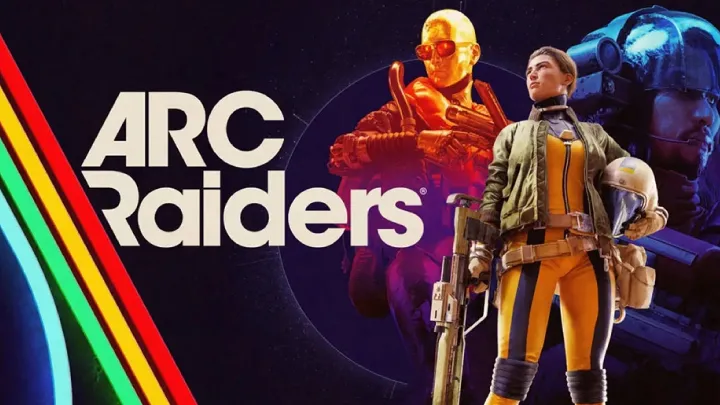
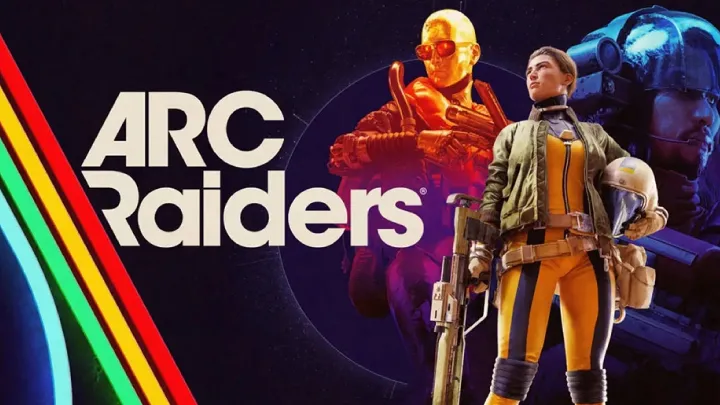
As the gaming landscape continues to evolve, few titles generate as much excitement and scrutiny as *Arc Raiders*. Developed by the acclaimed studio Embark Studios, this cooperative multiplayer shooter invites players into a dynamic universe filled with relentless adversaries and epic battles. While the game boasts impressive mechanics and stunning visuals, one particular issue emerges as a central concern: the challenge of balancing cooperative gameplay with player retention. This article dives deep into this topic, examining the intricacies of cooperative mechanics, competitive pressures, and the ongoing struggle to keep players engaged over time.</p>
The Genesis of Arc Raiders
Before delving into the nuances of its gameplay experience, it’s vital to understand the origins and intentions behind Arc Raiders. Established by former DICE developers, Embark Studios aims to push the boundaries of cooperative play through innovative design and community engagement.
A New Take on Cooperative Play
From the outset, Arc Raiders is designed as a cooperative multiplayer experience where players must band together to combat waves of robotic foes known as the Arc. This enemy, characterized by its relentless nature and increasing difficulty, seeks to dismantle the player’s defenses, requiring not only individual skill but relentless teamwork.
High-Quality Graphics and World-Building
The game’s immersive world-building and high-quality graphics are designed to draw players into its dystopian setting. The aesthetic choices, combined with a compelling storyline, create an engaging atmosphere that encourages players to invest their time and emotions into the game. However, does this focus on graphic fidelity and narrative translate into reliable player retention?
The Cooperative Experience: Strengths and Weaknesses
The cooperative gameplay mechanics present in Arc Raiders are both a significant strength and a potential pitfall. The game excels in providing engaging multiplayer interactions; however, it also risks alienating players if not executed properly.
Building Teamwork Through Shared Goals
At its core, Arc Raiders encourages teamwork through shared objectives that require players to communicate and strategize effectively. Each mission is designed to foster collaboration, urging players to rely on one another’s strengths—be it supporting fire, medic duties, or tactical maneuvers that exploit enemy weaknesses.
Potential for Frustration
However, the dependency on cooperation can lead to frustration. If players encounter uncooperative teammates or suffer from mismatched skill levels, the overall experience may be marred. This frustration can dissuade players from continuing to engage with the game, questioning whether they want to invest time in a community that may not deliver consistent teamwork.
Ratcheting Up Challenge: The Longevity Dilemma
The developers have intentionally designed the game’s challenge levels to ramp up significantly as players progress. While this approach can provide exciting gameplay, it also raises issues regarding player retention.
Gamifying Competition
By introducing higher levels of competition and difficulty, Arc Raiders aims to engage dedicated players who relish challenging scenarios. The mechanics offer a gamified system where players can earn rewards and unlocks by completing these increasingly difficult missions. However, the constant pressure to excel can lead to burnout.
The Risk of Burnout
Experienced players might find themselves grinding for top-tier gear or ranks, while newcomers could feel overwhelmed by the escalating difficulty. This disparity can yield a divide in the community, where less experienced players may opt out of multiplayer sessions due to anxiety over their performance.
The Role of Progression Systems
A well-crafted progression system is essential in maintaining player interest over time. In Arc Raiders, the developers have implemented several mechanics aimed at providing players with a meaningful sense of progression.
Customization and Gear Unlocks
Critical to maintaining player engagement, customization systems allow players to personalize their characters and weaponry. As they progress through missions, they can unlock enhanced gear, giving them a sense of accomplishment and differentiation from other players.
The Pitfalls of Pay-to-Win Systems
However, if not managed carefully, progression systems can become frustrating for players. The inclusion of microtransactions or a pay-to-win model can alienate the player base, leading to perceptions of unfairness in cooperative play. If players feel that their enjoyment is disrupted by monetization strategies, they might abandon the game altogether.
Community Engagement and Developer Interaction
Effective community engagement plays a crucial role in keeping players connected to the game. The degree to which Arc Raiders fosters interaction between developers and players can significantly impact retention rates.
Developer Transparency
Embark Studios has sought to engage with its community through regular updates, surveys, and feedback sessions. Transparency regarding planned changes and features helps build trust between the developers and the player base.
Listening to Player Feedback
When developers actively listen to player feedback and implement suggested changes, it can increase player investment. For Arc Raiders, addressing community concerns about gameplay balance, difficulty levels, and the fairness of the progression system will be vital in nurturing a thriving player community.
The Psychological Factor: Player Satisfaction
Understanding the psychological components of player satisfaction is essential in examining why players stay or leave. In Arc Raiders, the balance between challenge and fun directly influences the overall satisfaction of the player experience.
The Flow State
The flow state, a psychological concept where players feel completely absorbed in their activity, is crucial in cooperative gaming. Arc Raiders strives to create scenarios that lead players into this state by ensuring that the levels of challenge are just right—not too easy but not overwhelmingly difficult.
Balancing Challenge and Enjoyment
However, missteps in balance can result in players feeling either underwhelmed or overburdened. Achieving the perfect equilibrium is crucial; if players perceive that their effort yields little reward or enjoyment, it risks leading them away from the game.
Innovations and Future Prospects
As Arc Raiders progresses through its lifecycle, innovation will play a critical role in maintaining its relevance. Staying abreast of gaming trends and player preferences will be key for the developers.
Incorporating New Content
Regular updates that introduce new gameplay mechanics, maps, or storylines can help revive interest among players. Keeping the game fresh and dynamic will entice both new players and veterans who might be considering stepping back.
Collaboration with Influencers and Streamers
Engaging gaming influencers and streamers can also foster enthusiasm around the game. By showcasing gameplay experiences through various platforms, Arc Raiders enhances its visibility and creates buzz, drawing in diverse audiences who may be compelled to join the cooperative efforts.
Conclusion: The Tightrope Walk of Retention in Arc Raiders
In conclusion, Arc Raiders stands as a compelling representation of the modern cooperative multiplayer experience, yet it grapples with the persistent challenge of balancing cooperative gameplay and player retention. The mechanics designed to facilitate teamwork, the layered progression systems, and the weight of community engagement all contribute to a multifaceted gaming experience.
Achieving player satisfaction without risking burnout or perceived unfairness is a delicate endeavor, one that will require ongoing commitment and adaptation from both Embark Studios and the player community. As the game evolves, fostering a robust cooperative environment while ensuring enjoyable engagement will be pivotal in securing the game’s lasting success.