






Poppy Playtime Chapter 4 pushes the horror-puzzle formula further than previous chapters by combining psychological tension, environmental storytelling, and complex puzzle design. This chapter is not just about escaping danger—it is about observation, timing, and understanding how the factory itself works against you. Players who rush forward often fail, while those who slow down and analyze their surroundings gain a huge advantage.
This guide focuses on how to play Chapter 4 effectively: understanding its mechanics, surviving encounters, and solving puzzles without frustration.
Understanding the Core Gameplay Changes in Chapter 4

Chapter 4 introduces more layered puzzle sequences and longer exploration segments. Unlike earlier chapters where puzzles were often isolated, many challenges here are interconnected. Your actions in one area may affect another later on.
Lighting, sound, and environmental cues are more important than ever. Players must learn to read subtle signs—moving shadows, mechanical sounds, or flickering lights—to progress safely. The game rewards patience and curiosity rather than fast movement.
Mastering Environmental Awareness
Your surroundings are your most important tool in Chapter 4.
Key Things to Observe
- Open vents and crawl spaces
- Suspicious floor patterns or loose objects
- Machinery that reacts to power changes
- Areas with unusual silence
Often, the solution is visible long before the problem fully appears. Players who pause and scan rooms carefully will avoid unnecessary danger and confusion.
Using Sound to Your Advantage
Audio plays a critical role in Chapter 4. Sound design often signals when it’s safe to move—or when it’s time to hide.
Helpful Audio Cues
- Distant mechanical noises may indicate active systems
- Sudden silence often signals danger nearby
- Repeating sounds can reveal puzzle timing
Use headphones if possible. Directional sound can guide you away from threats and toward objectives.
Puzzle-Solving Strategy: Think Sequentially
Many puzzles in Chapter 4 are multi-step and require preparation.

Effective Puzzle Approach
- Identify power sources
- Observe how mechanisms react
- Test interactions safely
- Execute actions in the correct order
Avoid brute-forcing solutions. If something doesn’t work, it’s usually because another step hasn’t been completed yet.
Smart Movement and Timing
Movement discipline is critical in this chapter.
Movement Tips
- Walk instead of sprinting when exploring
- Only move quickly when timing requires it
- Use corners and objects to break line of sight
- Stop moving if something feels wrong
Panicked movement often leads to mistakes. Calm control keeps you safe.
Understanding New Enemy Behavior
Chapter 4 introduces smarter and more unpredictable threats. These entities often respond to sound, light, or repeated patterns.
Survival Tips
- Never repeat the same escape route twice
- Use environmental obstacles to slow pursuit
- Learn when hiding is better than running
- Watch for scripted behavior triggers
Observation is more important than speed in these encounters.
GrabPack Usage and Resource Management
The GrabPack remains essential but is used more creatively in Chapter 4.
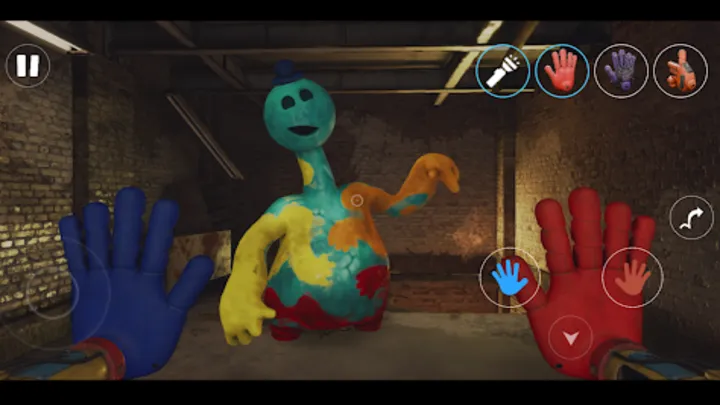
Advanced GrabPack Uses
- Activating distant switches
- Creating space during tense moments
- Redirecting power safely
- Interacting with puzzle elements from cover
Always think about how the environment can work with the GrabPack, not just how to move forward.
Exploration Rewards Patient Players
Hidden notes, environmental storytelling, and optional paths provide valuable context.
Why Exploration Matters
- Reveals puzzle hints
- Explains factory lore
- Builds tension gradually
- Helps anticipate future challenges
Players who explore understand the game better and feel less overwhelmed.
Managing Fear and Focus
Chapter 4 is designed to create anxiety—but fear clouds judgment.
Stay Focused By
- Breathing steadily
- Ignoring sudden visual distractions
- Focusing on objectives
- Remembering enemy patterns
Fear is part of the experience, but control turns fear into awareness.
Learning From Mistakes
Failure is part of Chapter 4’s design. Each mistake teaches timing, positioning, or puzzle logic.
After Each Failure
- Identify what triggered it
- Adjust movement or timing
- Look for missed environmental clues
Improvement comes quickly once you recognize patterns.
Conclusion
Poppy Playtime Chapter 4 is a carefully crafted experience that challenges players to think, observe, and adapt. Success comes from understanding the environment, solving puzzles patiently, and staying calm under pressure. By mastering sound cues, movement discipline, and puzzle sequencing, you can progress smoothly and fully appreciate the story hidden within the factory’s walls.
Chapter 4 isn’t about rushing to the end—it’s about surviving the journey with awareness and intelligence.