.webp)





 Introduction
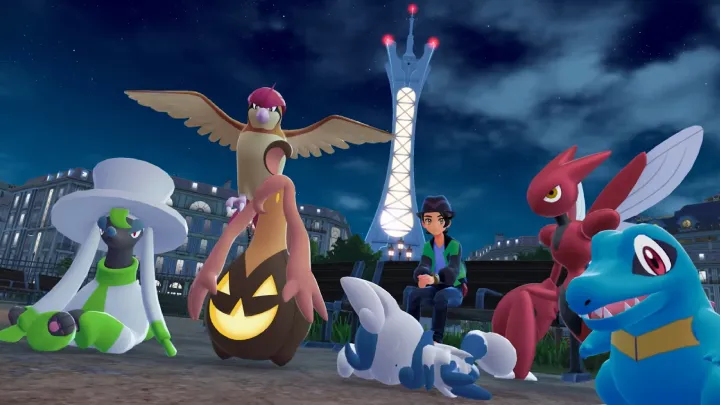
Pokémon Legends: Z-A has captured the attention of trainers around the world with its vibrant world and innovative mechanics. Set in a captivating open-world environment, this installment of the Pokémon franchise allows players to embark on thrilling adventures, capture diverse Pokémon, and engage in strategic battles. However, one significant aspect that has garnered both praise and criticism is the breeding mechanics. While breeding has always played an essential role in Pokémon games, it has undergone various changes, and these shifts have spurred debate among players about efficiency, effectiveness, and enjoyment. This article delves deeply into the complexities of breeding mechanics in Pokémon Legends: Z-A, exploring how these mechanics influence gameplay, player engagement, and community dynamics.
The Importance of Breeding in Pokémon
Historical Context
Breeding has been a staple in Pokémon games ever since its introduction in Generation II. It allows trainers to create new Pokémon with desirable traits, providing avenues for competitive play, completion of Pokédex entries, and personal attachment to Pokémon. The mechanics evolved through generations, introducing features like Egg Moves, Natures, and Abilities, which added layers of strategical depth.
Breeding as a Mechanism for Personalization
In the realm of Pokémon Legends: Z-A, breeding retains its status as a critical mechanism for Pokémon personalization. Players seek to curate their ideal teams, focusing on specific stats, types, and even aesthetics. The desire for unique Pokémon encourages investment and attachment, enhancing the overall gaming experience.
Changes in Breeding Mechanics in Pokémon Legends: Z-A
Introduction of New Features
Breeding mechanics have experienced a notable evolution in Pokémon Legends: Z-A. Unlike previous titles, this game introduces new features that modify how breeding functions. For example, players can now use special items to enhance their chances of hatching Pokémon with optimal stats or unique abilities.
The Role of Genetic Traits
One of the most significant changes involves the introduction of genetic traits, which determine how certain attributes are passed down through breeding. This system allows for more nuanced breeding results, where players must consider the genetics of both parent Pokémon to achieve optimal outcomes.
The Challenges of New Breeding Mechanics
Complexity and Accessibility
While the new breeding mechanics add depth, they also create challenges. The complexity involved in understanding genetic traits can intimidate new players. For instance, deciphering which traits to prioritize based on a Pokémon's move set, stats, and type can be overwhelming.
Fragmentation of the Community
The introduction of intricate breeding mechanics has led to a fragmentation of the community. Experienced players who understand the nuances of genetic traits might thrive, while newcomers can feel alienated and discouraged. This division raises concerns about accessibility and the future of player engagement.
The Pursuit of Perfect Pokémon
The Ideal Standard
In Pokémon Legends: Z-A, the quest for the "perfect" Pokémon remains a prevalent mindset among trainers. This often entails breeding Pokémon with maxed-out stats, ideal abilities, and preferred natures. The introduction of new breeding mechanics heightens this pursuit, leading players to invest extensive hours into breeding.
Pressures of Competitive Play
As competitive play continues to thrive, the pressures surrounding breeding intensify. Players often feel compelled to optimize their Pokémon teams, leading to burnout and frustration when the results don’t align with their expectations. The broader community discussions highlight the dichotomy between casual play and competitive ambition.
Shifts in Egg Mechanics
The Introduction of Special Eggs
Pokémon Legends: Z-A includes the concept of special eggs, akin to the Shiny hunting phenomenon, where players can obtain unique Pokémon through breeding. However, this shift places additional strains on the breeding process. The odds of hatching a special egg may differ from traditional methods, requiring players to adopt new strategies.
Balancing Special Eggs in Gameplay
The balancing of these special eggs in the overall gameplay experience has raised questions. Players report instances where the time investment seems disproportionate to the reward. If not balanced effectively, the breeding process for special Pokémon could deter players from engaging with this feature altogether.
Community Dynamics and Breeding Culture
The Rise of Breeding Guides
As new mechanics are introduced, the Pokémon community rallies to provide resources and guides. Breeding becomes a shared endeavor, with experienced players creating guides and charting optimal combinations for success. This fosters a sense of camaraderie, but it may also contribute to the exclusivity felt by newer players.
Competitive Breeding vs. Casual Play
The community dynamic shifts as players declare allegiance to either competitive breeding or casual play. Competitive players may prioritize time-efficient breeding over personal attachment to specific Pokémon, while casual players may cultivate unique teams for sentimental reasons. This division reflects the diverse ways in which players engage with the game.
The Future of Breeding Mechanics
Potential Developments
The dialogue surrounding breeding mechanics highlights potential avenues for future development. The Pokémon franchise has consistently adapted to player feedback, and refining the breeding system in subsequent installments could lead to more inclusive and enjoyable experiences.
Balancing Depth with Accessibility
Future developments should aim to balance depth and accessibility. Streamlining genetic traits, providing clearer indicators of breeding outcomes, and offering in-game resources to support new players could enhance player engagement while respecting the complex nature of breeding.
Understanding Player Feedback
The Voice of the Community
Player feedback is essential for shaping future mechanics in Pokémon Legends: Z-A. Developers frequently monitor discussions on community platforms, noting common concerns and suggestions. Engaging with the player base fosters transparency and improves the overall gaming experience.
Constructive Criticism and Future Iterations
Constructive criticism from the community can fuel positive changes in breeding mechanics. When players express their difficulties and ideas for improvement, developers can adapt breeding systems to better serve the diverse playstyles present within the community.
Conclusion
In conclusion, breeding mechanics in Pokémon Legends: Z-A underline an intricate balance between tradition and innovation. While the evolving features introduce fresh dimensions of gameplay and personalization, they also present challenges that can hinder accessibility and community cohesion. As players navigate the complexities of breeding, the ongoing quest for perfect Pokémon and a more profound understanding of genetic traits continues to shape the experience.
Moving forward, the Pokémon franchise has an opportunity to enhance breeding mechanics by streamlining processes and engaging with player feedback. With the right adjustments, Pokémon Legends: Z-A could continue to embrace its role in fostering creativity, connection, and exploration in the world of Pokémon.