.webp)








Grim Dawn is a dark action role-playing game set in a grim, war-torn world where humanity is on the brink of extinction. Known for its deep class system, complex builds, and rewarding loot progression, the game challenges players to think carefully about every decision they make. Survival depends not only on reflexes but also on planning, optimization, and understanding game mechanics.
This guide focuses on how to play Grim Dawn effectively, from choosing your first class to mastering endgame systems. Whether you are a newcomer to ARPGs or a veteran seeking to refine your builds, this article provides practical guidance for long-term success in the world of Cairn.
SECTION 1: How to Understand Grim Dawn’s Core Gameplay
Grim Dawn follows the traditional ARPG loop of combat, loot, character progression, and exploration. You fight enemies, gain experience, collect gear, and invest skill points to grow stronger.
What sets Grim Dawn apart is its emphasis on build depth. Choices made early can significantly affect late-game performance, making it important to understand how skills, attributes, and equipment interact.
SECTION 2: How to Choose the Right Class Combination
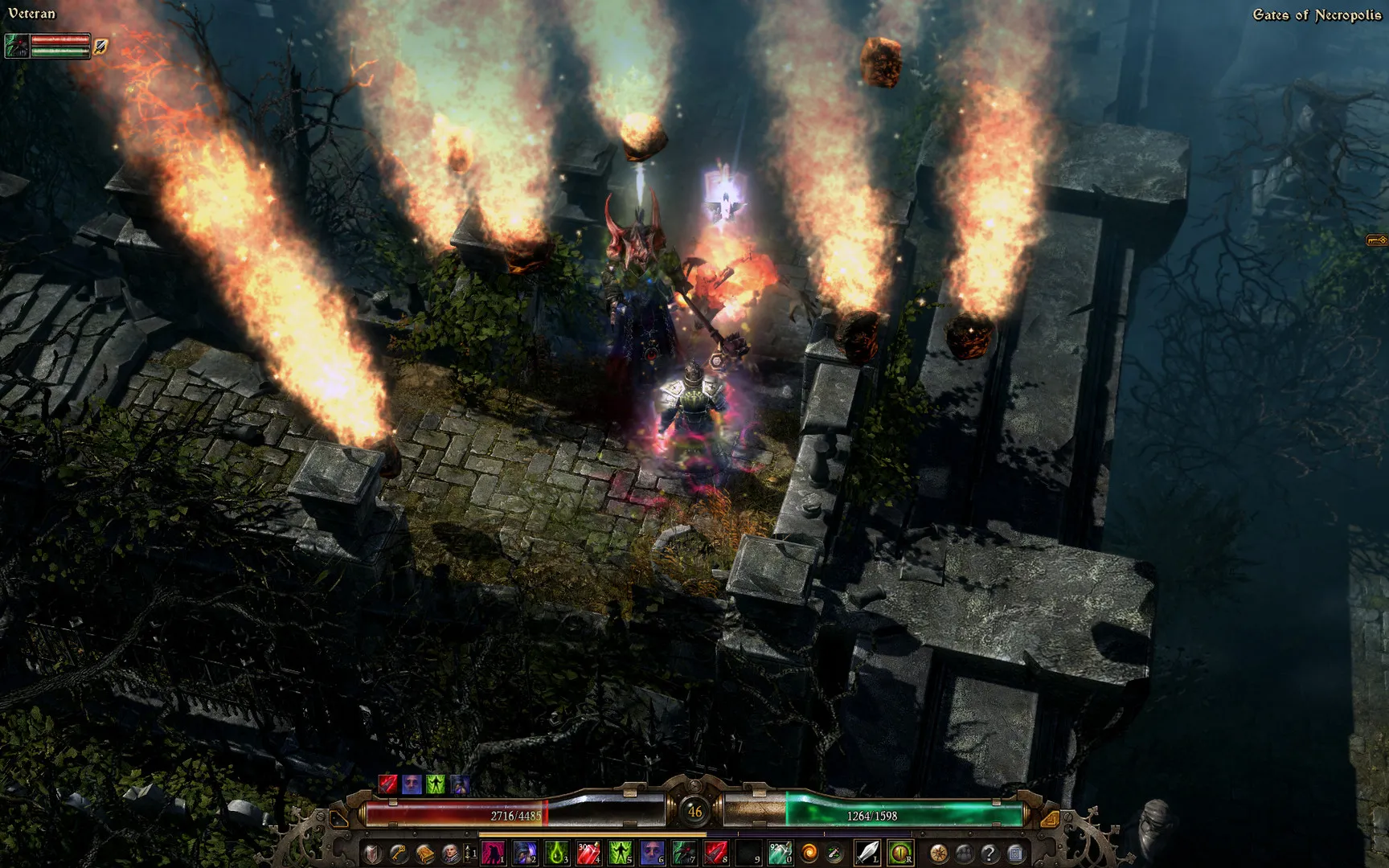
Grim Dawn uses a dual-class system that allows players to combine two masteries into a single character. This creates immense build diversity but can be overwhelming for beginners.
Choosing a combination that aligns with your preferred playstyle—melee, ranged, caster, or hybrid—helps avoid frustration. Synergy between skills and damage types is more important than raw power.
SECTION 3: How to Allocate Skill Points Effectively
Skill points are limited and valuable. Investing heavily into a few core skills is usually more effective than spreading points thinly across many abilities.
Passive bonuses and modifiers often provide greater long-term benefits than flashy active skills. Understanding which skills scale well into late game is key to building a strong character.
SECTION 4: How to Manage Attributes and Survivability
Attributes like Physique, Cunning, and Spirit affect damage, health, and equipment requirements. Most builds prioritize survivability over raw damage, especially on higher difficulties.
Health, resistances, and defensive abilities determine how long you can survive intense encounters. Balancing offense and defense is essential in Grim Dawn’s unforgiving combat system.
SECTION 5: How to Use Devotions for Build Optimization
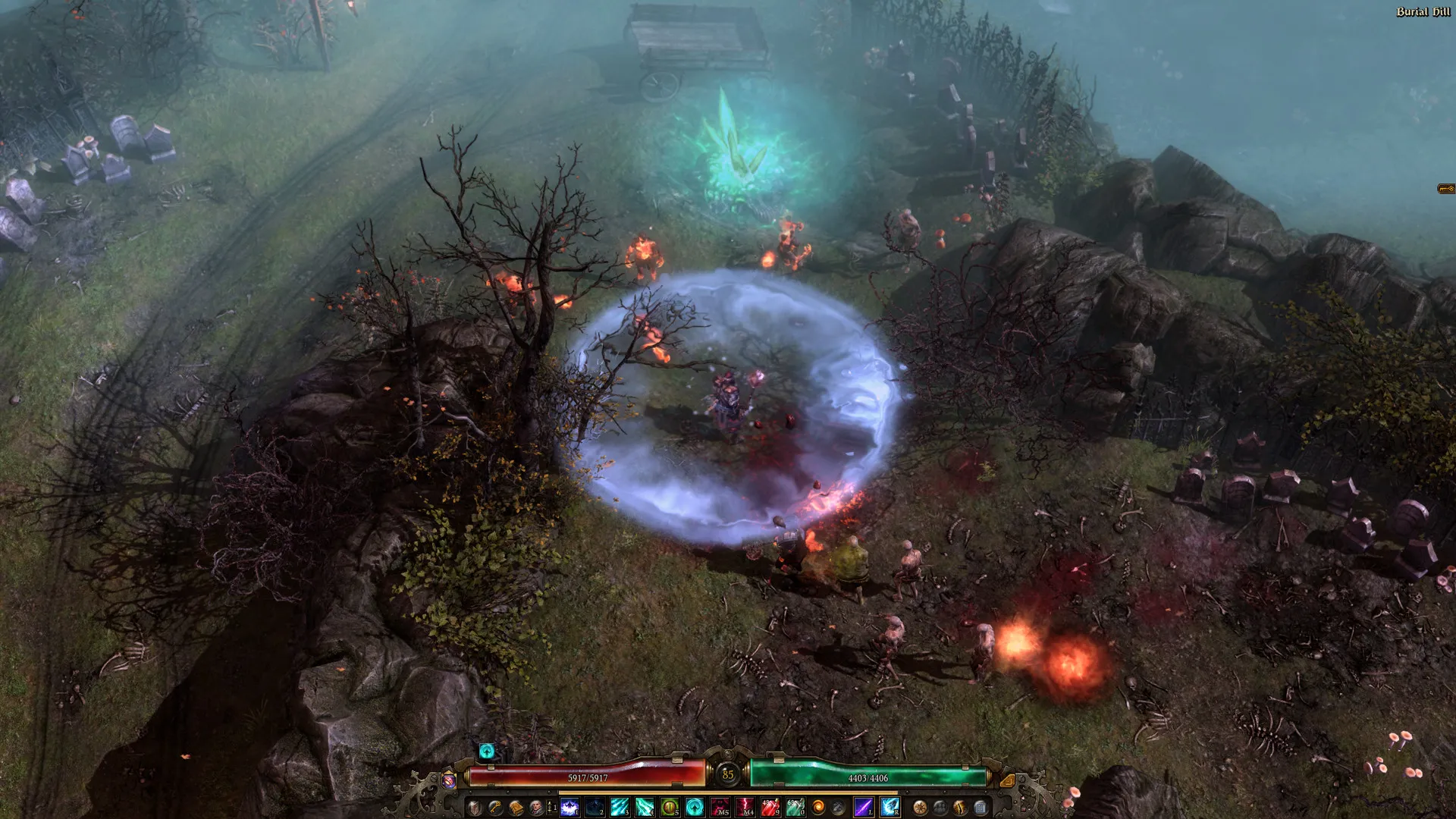
The Devotion system adds another layer of customization. By unlocking constellations, players gain powerful bonuses and procs that define many endgame builds.
Choosing devotions that enhance your main damage type and defensive needs dramatically improves performance. Planning devotion paths early prevents wasted points later.
SECTION 6: How to Farm and Choose the Right Gear
Loot plays a central role in Grim Dawn. Gear provides not only damage boosts but also critical resistances and skill bonuses.
Instead of chasing rarity alone, focus on items that support your build’s damage type and defensive requirements. Well-rolled rare items can outperform legendary gear in many situations.
SECTION 7: How to Handle Combat and Enemy Mechanics
Combat in Grim Dawn is deliberate and punishing. Enemy types have specific strengths, resistances, and abilities that demand adaptation.
Learning to kite, manage cooldowns, and recognize dangerous enemy attacks significantly improves survivability. Positioning often matters as much as damage output.
SECTION 8: How to Progress Through Difficulty Levels
Grim Dawn features multiple difficulty modes that dramatically increase challenge. Normal difficulty teaches mechanics, while Elite and Ultimate test build efficiency.
Before advancing, ensure resistances are capped and gear is upgraded. Rushing into higher difficulties without preparation often leads to repeated deaths and stalled progress.
SECTION 9: How to Approach Endgame Content
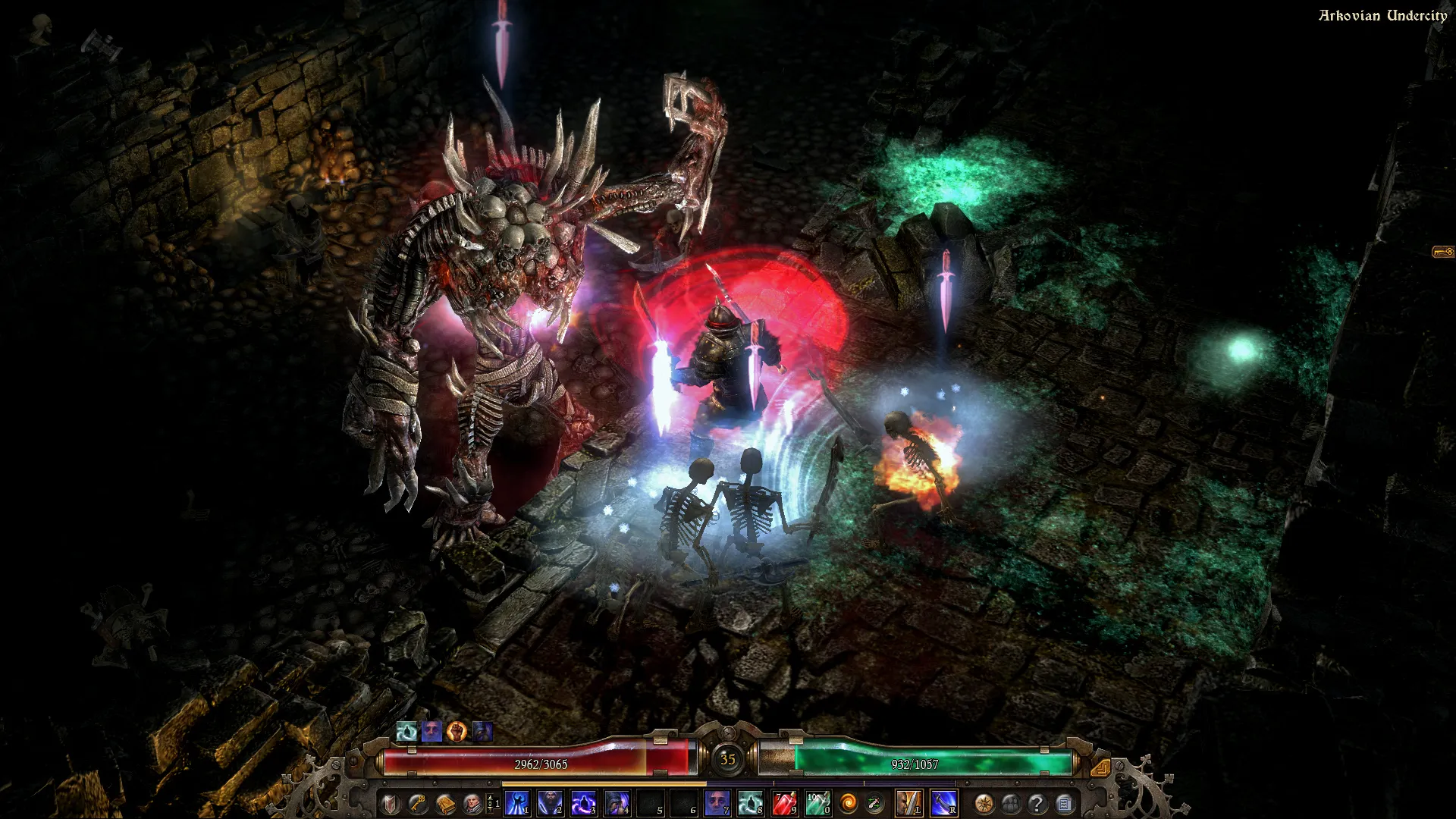
Endgame activities include Shattered Realm, Crucible, and optional super bosses. These modes push builds to their limits and reward optimization.
Success in endgame depends on fine-tuning gear, devotions, and skill allocations. Incremental improvements often make the difference between failure and success.
SECTION 10: How to Achieve Long-Term Mastery and Replayability
Grim Dawn offers exceptional replay value due to its class combinations and build diversity. Experimenting with new builds keeps the experience fresh.
Long-term mastery comes from understanding mechanics deeply rather than following guides blindly. Learning why a build works enables you to create your own successful characters.
Grim Dawn is a deeply rewarding ARPG that challenges players through complexity, strategy, and atmosphere. By mastering class combinations, skills, gear, and defensive mechanics, you can survive Cairn’s harsh world and conquer even its toughest challenges. Progress is earned through knowledge, patience, and thoughtful character design.