





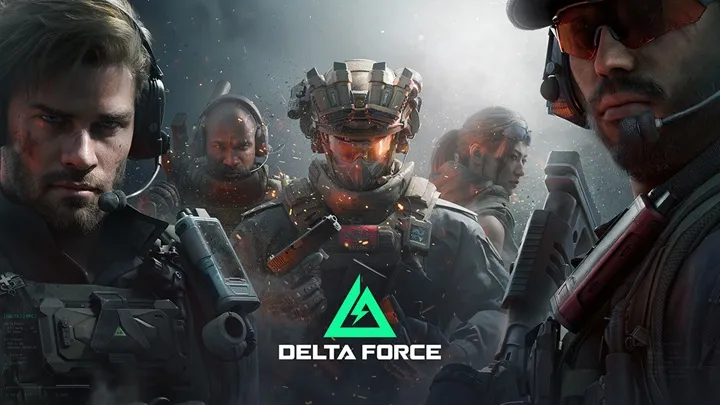
Delta Force is a legendary military shooter series that helped shape the tactical FPS genre. Known for its large-scale battlefields, realistic combat, and strategic depth, it remains a hot game concept even decades after its debut. Learning how to approach missions with patience, positioning, and teamwork is essential for success.
Unlike fast-paced arcade shooters, Delta Force emphasizes realism, long-range combat, and careful planning. This article explores the series from its origins to advanced gameplay mastery, explaining why it continues to influence modern tactical shooters and remains a timeless hot game experience.
1. Introduction to Delta Force and Its Tactical Identity
Delta Force introduced players to vast open maps and realistic military engagements at a time when corridor shooters dominated the genre. The game rewarded awareness rather than reflexes alone.
This design philosophy made it a hot game among players seeking authenticity. Learning how to read terrain, manage weapons, and plan routes became more important than running and shooting.
Its tactical identity laid the foundation for future military simulators.

2. How to Get Started in Delta Force
New players often find Delta Force challenging due to its unforgiving mechanics. There are no flashy indicators or simplified systems.
Understanding how to move cautiously, aim steadily, and use cover is critical from the beginning. Reckless movement usually leads to instant failure.
Beginner tips:
- Move slowly and scan areas
- Use prone and crouch positions
- Engage enemies at long range
Patience defines survival.
3. Core Gameplay Mechanics Explained
The core mechanics of Delta Force focus on realism. Weapons behave differently based on range, stance, and recoil.
Learning how to control breathing and firing rhythm improves accuracy. Automatic fire is rarely effective at long distances.
Key mechanics include:
- Realistic ballistics
- Large open maps
- Limited HUD information
Skill comes from understanding systems, not shortcuts.
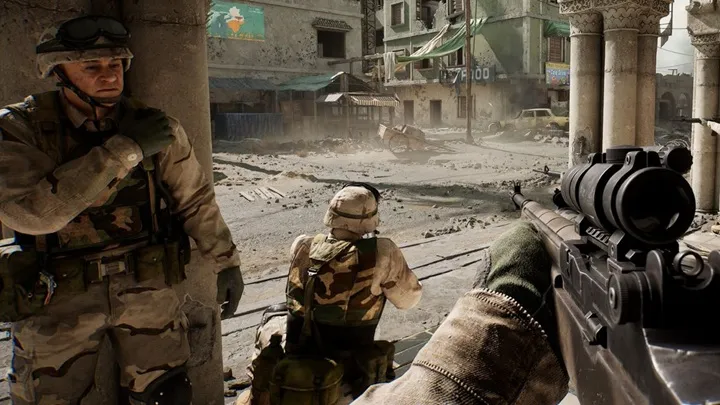
4. Mission Design and Tactical Objectives
Missions in Delta Force emphasize objectives rather than kill counts. Players may need to rescue hostages, sabotage facilities, or gather intelligence.
Knowing how to approach objectives silently often leads to better outcomes. Loud engagements attract overwhelming enemy forces.
Mission characteristics:
- Multiple approach paths
- Dynamic enemy patrols
- Time-sensitive objectives
Strategy outweighs aggression.
5. Weapons, Loadouts, and Combat Style
Weapons in Delta Force are grounded in realism. Each firearm serves a specific role.
Learning how to choose the right weapon for the mission improves efficiency. Sniper rifles dominate open terrain, while assault rifles suit mid-range engagements.
Combat considerations:
- Ammo conservation
- Weapon accuracy over rate of fire
- Positioning over movement
Smart loadouts save lives.
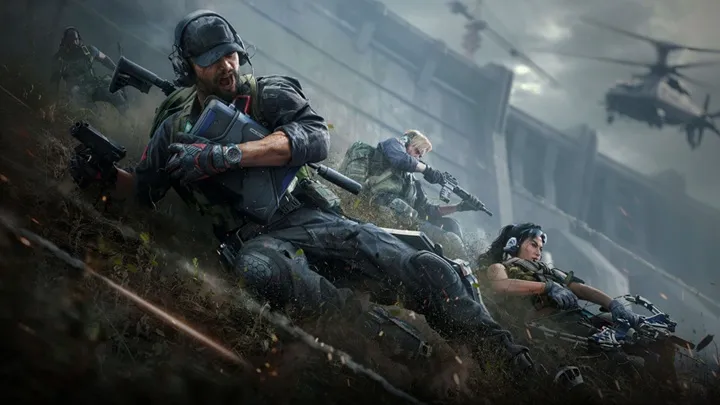
6. Why Delta Force Is a Hot Game
Delta Force remains a hot game because it respects player intelligence. It does not hold hands or simplify combat.
Players learn how to think like soldiers rather than action heroes. Every decision carries weight.
Reasons for enduring popularity:
- Tactical freedom
- Realistic pacing
- Large-scale environments
Its influence is still felt today.
7. How to Use Terrain and Positioning Effectively
Terrain plays a massive role in Delta Force. Hills, buildings, and foliage provide cover and vantage points.
Learning how to control high ground gives players a decisive advantage. Visibility often determines victory.
Terrain strategies:
- Use elevation for sniping
- Avoid open areas
- Move between cover points
Positioning is power.
8. Multiplayer and Cooperative Gameplay
Multiplayer in Delta Force elevates the tactical experience. Team coordination becomes essential.
Knowing how to communicate and assign roles improves mission success. Lone wolves rarely survive.
Multiplayer dynamics:
- Sniper support roles
- Objective-focused teamwork
- Large-scale engagements
Teamplay defines victory.
9. Common Mistakes and How to Avoid Them
Many players fail in Delta Force due to impatience. The game punishes rushing.
Learning how to slow down and observe reduces unnecessary deaths.
Common mistakes:
- Running into open areas
- Firing without cover
- Ignoring mission objectives
Discipline prevents failure.
10. Long-Term Mastery and Tactical Mindset
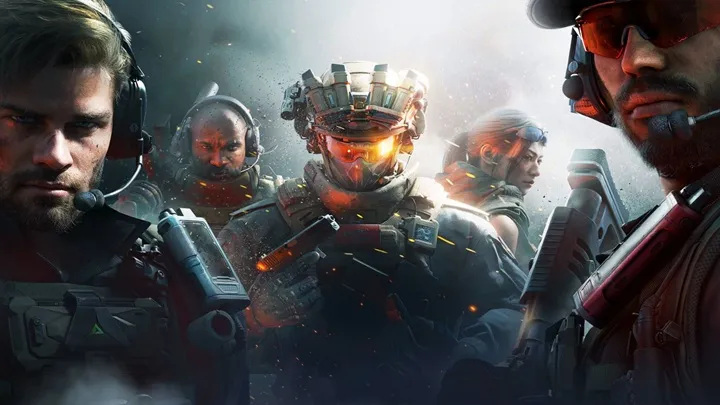
Mastery in Delta Force requires a tactical mindset. Players improve through experience and awareness.
Learning how to anticipate enemy movement and adapt strategies leads to consistent success.
Reasons for long-term appeal:
- High skill ceiling
- Realistic combat pacing
- Tactical satisfaction
Mastery feels earned, not given.
Conclusion: Why Delta Force Remains a Tactical Classic
Delta Force stands as a hot game because it values realism, strategy, and player decision-making. By learning how to approach combat thoughtfully, use terrain wisely, and prioritize objectives, players experience military gameplay that feels authentic and rewarding. Its legacy continues to shape tactical shooters today.